Home > Electrodes > AWS Class E385-16 Electrodes
Leading manufacturers of welding consumables, like Midalloy and Oxford Alloys, produce AWS/ASME A5.4 / SFA 5.4 Class E385‑16 coated electrodes. They adhere to rigorous process controls, including low impurity melting practices, and provide comprehensive test documentation such as lot traceability, heat-treatment charts, and material test certificates to meet the high demands of corrosion-resistant fabrication. For instance, Midalloy’s “Chromax E385‑16” is marketed as a “vacuum-melted” electrode specifically designed for high-alloy stainless steels. ([Midalloy][1])
The E385‑16 electrode is designed for SMAW (shielded-metal-arc welding) of high-alloy, fully-austenitic stainless steels, particularly UNS W88904 / type 904L, in highly corrosive settings. ([Washington Alloy][2]) The typical all-weld-metal chemical composition (according to AWS A5.4) includes: Carbon ≤ 0.03 %, Chromium ~19.5‑21.5 %, Nickel ~24.0‑26.0 %, Molybdenum ~4.2‑5.2 %, and Copper ~1.2‑2.0 %. ([Oxford Alloys][3]) In terms of mechanical properties, it boasts a typical tensile strength of ~610 MPa (~88 ksi) and an elongation of ~32%. This electrode can be used with AC or DC(+), in most positions (though vertical down may vary by brand). ([ch-delivery.lincolnelectric.com][4])
| Classification | AWS A5.4, E385-16 |
| Form | Welding Electrode, Welding Rods |
| Type Of Current | AC-DCEP (Direct Current Electrode Positive) |
| Welding Position | F, V, OH, H |
| Size | 2.0 mm, 2.50 mm, 3.15 mm, 4.00 mm, 5.0 mm |
| AC/DC+ | AC or DC (+) |
| JIS Specification | BS 2926 19.9 A R |
| Other Specification | DIN 8556 E19 9 R 23 A |
| AWS E385-16 Coated Electrodes Application & uses |
|
| Grade | C | Cr | Cu | Fe | Mn | Mo | Ni | N | P | Si | S |
| SS E385-16 | 0.015 max | 20.5 max | 1.70 max | Bal | 2.10 max | 4.60 max | 25.2 max | 0.04-0.08 | 0.018 max | 0.45 max | 0.009 max |
Contact us to get a quick quote for your requirement.
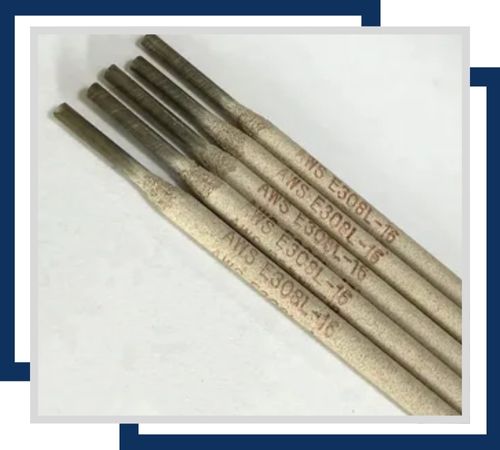
Excellent corrosion resistance, particularly for welding high-strength stainless steel structures. They come in various sizes, including 3.2 mm (1/8 in) and 4.0 mm (5/32 in) diameters, providing strong welds with smooth, light coatings.
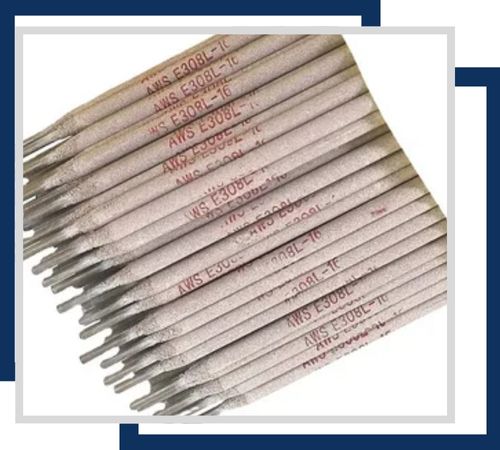
Superior corrosion resistance, these electrodes are ideal for heavy-duty welding tasks. They are available in 3.2 mm (1/8 in) and 4.0 mm (5/32 in) diameters, designed for high-strength applications with thicker coatings for enhanced performance.
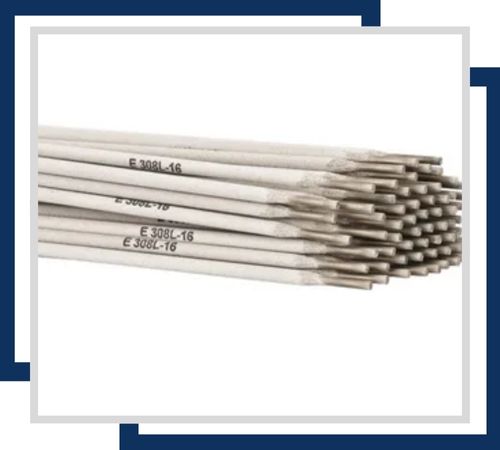
Robust corrosion resistance. They are offered in sizes like 3.2 mm (1/8 in) and 4.0 mm (5/32 in) diameters, ensuring strong, reliable welds with excellent shielding properties.
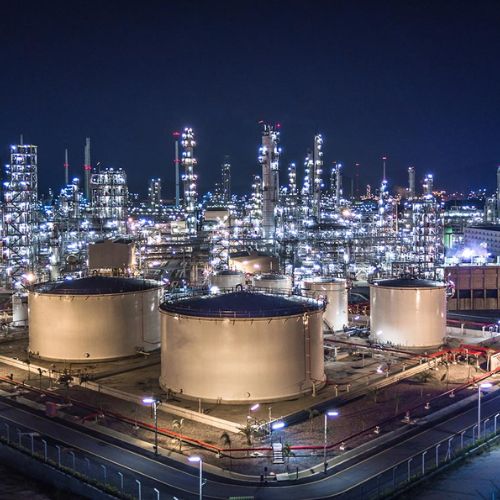
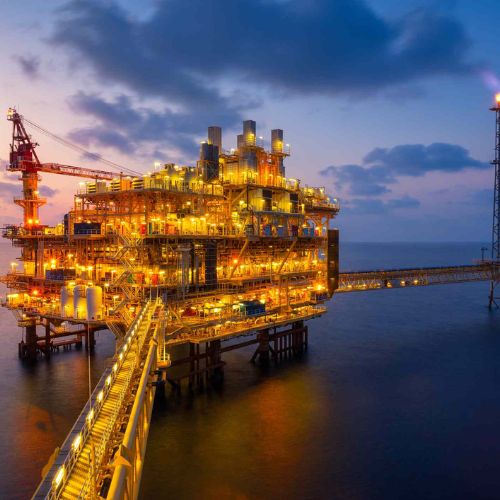
AWS Class E385-16 Electrodes are extensively employed in industries demanding superior corrosion resistance, including chemical processing, marine, and offshore environments. They are best suited for welding tanks, heat exchangers, and piping systems that are exposed to aggressive acids such as sulfuric and phosphoric acids. AWS Class E385-16 Electrodes are also employed in desalination plants, power generation plants, and pulp and paper mills, providing consistent and durable welds in chloride-bearing environments. Their resistance to tough chemical exposure and heat makes them a popular pick for mission-critical infrastructure initiatives.
The E385‑16 electrode is perfect for welding or repairing fully-austenitic high-alloy stainless steels, especially where exceptional corrosion resistance is crucial—think environments with sulfuric acid, phosphoric acid, chloride, and other harsh chemicals. ([dnhsecheron.com][5]) It’s commonly used in the fabrication of vessels, tanks, piping, heat exchangers, and structural components across industries like chemical, petrochemical, marine, pulp & paper, and desalination. The alloy’s high nickel and molybdenum content make it particularly effective in these demanding applications.




©2024 Kyaw Stainless All Rights Reserved.